Source Modern Sofa Arm Rest Organizer for Phone, Tablet, and Books
Find 30 options for a modern sofa arm rest organizer designed for living room use. Compare features like folding designs, Oxford cloth and bamboo materials, and storage capacities to find the right fit for your needs; compare the available evidence and request quotations based on your requirements.
Key considerations
Products List

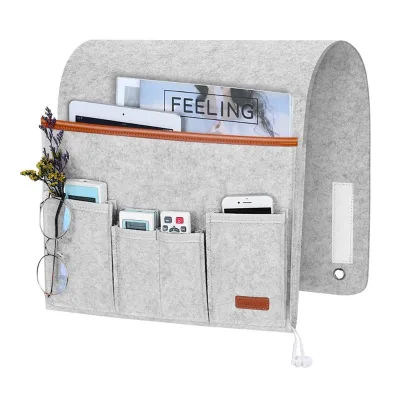
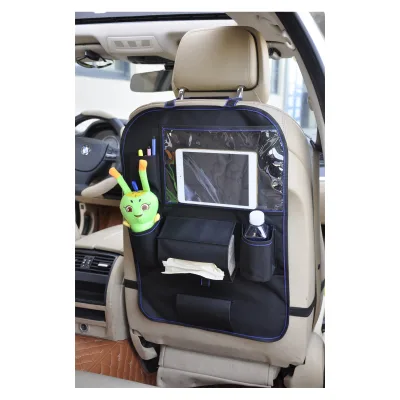

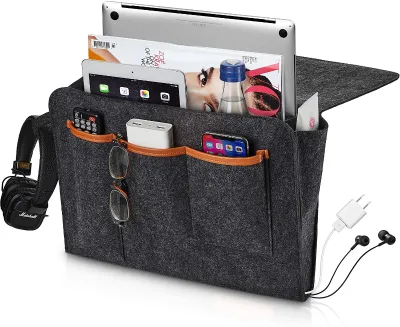


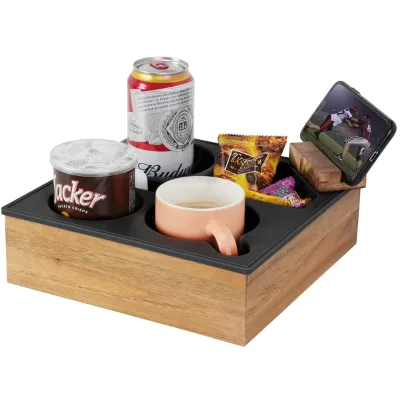





Comprehensive Sourcing Guide
Modern Sofa Arm Rest Organizer Sourcing Guide
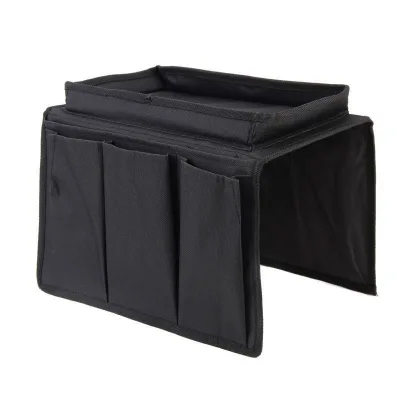
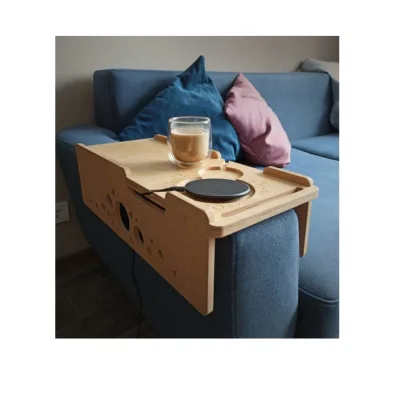
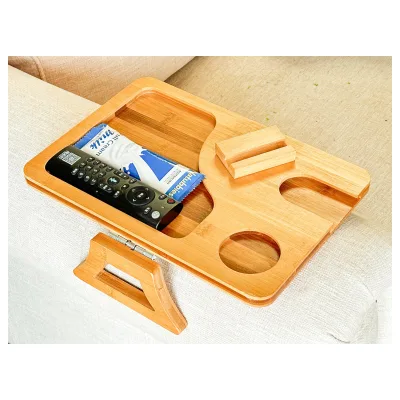
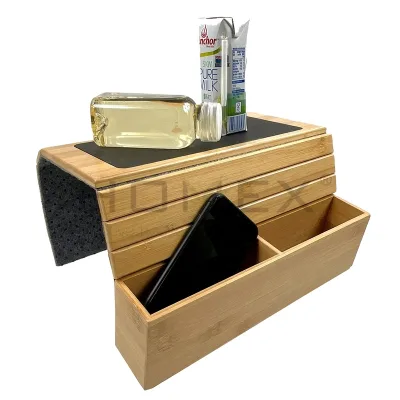
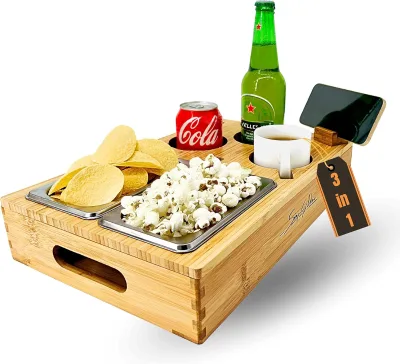
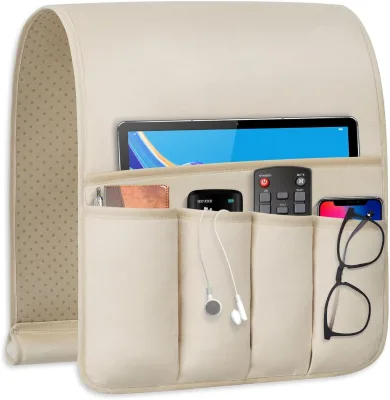
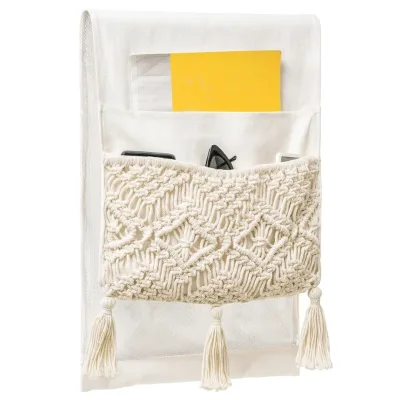
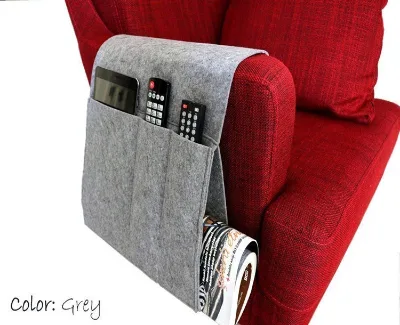
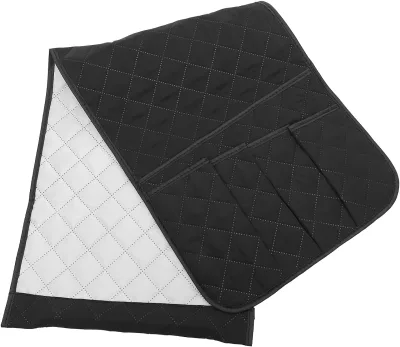
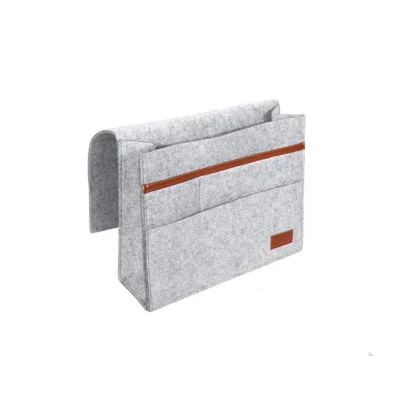
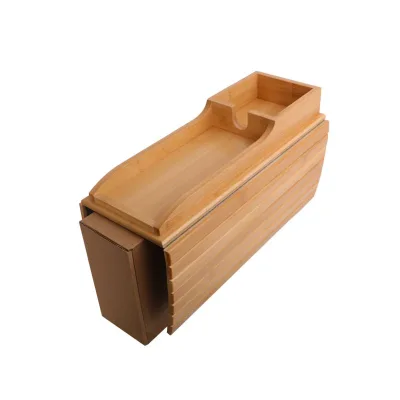
Procuring a modern sofa arm rest organizer requires distinguishing between fabric-based solutions and rigid wooden alternatives, as the market offers distinct material profiles for different interior styles. Buyers must verify whether the product is constructed from Oxford cloth or bamboo, as this choice dictates the item's durability, aesthetic finish, and suitability for specific living room environments. The observed listings indicate a clear divergence between flexible, foldable storage bags and structured, carved wooden trays, each serving unique functional needs for holding devices, books, or snacks.
Sourcing decisions should also account for the specific design features observed, such as the inclusion of built-in cardboard storage or compression-type forms that maximize utility within compact spaces. While some units are marketed as eco-friendly and foldable, others emphasize a country or American style with carved details, requiring buyers to align their selection with the intended room decor. Understanding these material and stylistic differences is essential before engaging with suppliers, as the wrong choice can lead to mismatched expectations regarding the product's load capacity and long-term wear.
Product Scope and Observed Listing Signals
The current market signals reveal a wide range of product classifications, from general storage bags to specialized armrest trays designed for specific items like cell phones, iPads, and magazines. Buyers should note that some listings explicitly define the product as a "Sofa Arm Rest Organizer" with a rectangular shape, while others categorize similar items under broader headings like "Cosmetic Organizer" or "Office Organizer," necessitating careful review of the product name and intended use. This variation in classification can lead to confusion, so verifying the exact functional design is critical to ensure the item meets the specific storage requirements of the target application.
Listing signals also highlight significant variations in packaging and shipping attributes, which directly impact logistics planning and cost estimation. Observed data shows that some units are packed individually in OPP bags with a gross weight of 6.0 kg per batch, while others have different dimensional tolerances and weight specifications. Buyers must scrutinize these details to understand the physical footprint of the shipment, as the package size per batch and the individual unit weight will influence freight costs and warehouse storage requirements. Ignoring these logistical signals can result in unexpected expenses or space constraints upon delivery.
Technical Specifications to Verify
Technical verification must begin with precise dimensional analysis, as observed listings present conflicting size data ranging from 301818cm to larger batch dimensions of 42X40X31 cm. Buyers need to confirm whether the stated dimensions refer to the single unit or the packed batch, as this distinction is vital for space planning and inventory management. Additionally, dimensional tolerances vary across listings, with some specifying a tight tolerance of less than ±1mm while others allow up to ±5mm, requiring clear communication with the supplier to ensure the final product fits the intended sofa armrest without gaps or fitment issues.
Material composition and load capacity are equally critical technical parameters that must be validated before finalizing a purchase order. The observed data indicates products made from Oxford cloth with a load capacity of up to 5kg, alongside wooden or bamboo options that may offer different structural integrity. Buyers should request specific test data or detailed specifications regarding the weight tolerance, which ranges from ±1% to ±5% in observed listings, to ensure the organizer can safely support the intended items without deformation or failure. Confirming these technical limits prevents potential product failures and ensures customer satisfaction.
Compliance and Safety Documentation
While the supplied facts do not explicitly list specific certification numbers, buyers must verify that all materials, particularly those labeled as eco-friendly, comply with relevant international safety standards for household goods. For products made from wood or bamboo, it is essential to confirm that the timber is sourced sustainably and treated with non-toxic finishes, especially if the product is intended for use in homes with children or pets. The absence of explicit certification data in the listing signals means that the buyer must proactively request documentation to ensure the product meets the safety regulations of the destination market.
Safety documentation should also address the structural integrity of the organizer, particularly for items designed to hold heavy devices or multiple books. Buyers should inquire about the testing procedures used to validate the load capacity claims, ensuring that the product can withstand the maximum specified weight without collapsing. For fabric-based organizers, verifying the flame retardancy of the Oxford cloth is a prudent step to mitigate fire risks. Without clear evidence of compliance, the risk of liability increases, making it imperative to secure written confirmation of safety standards from the supplier prior to shipment.
Cost Drivers and Commercial Terms
Cost drivers in this category are heavily influenced by the choice of material, with bamboo and carved wood typically commanding higher prices than standard Oxford cloth alternatives. The observed price range of 0.89 to 589 USD reflects this disparity, suggesting that buyers must carefully balance their budget against the desired aesthetic and durability. Additionally, the complexity of the design, such as the inclusion of built-in cardboard storage or specific folding mechanisms, adds to the manufacturing cost and should be factored into the total landed cost calculation.
Commercial terms, particularly Minimum Order Quantity (MOQ) and lead times, vary significantly across the market and directly impact procurement strategy. Listings show MOQs ranging from 20 pieces to 5000 pieces, with delivery times spanning 7 to 30 work days. Buyers must align their order volume with the supplier's MOQ requirements to avoid excessive inventory costs or production delays. Furthermore, understanding the selling units, which may be sold in multiples of 20, is crucial for accurate financial planning and ensuring that the order quantity meets the supplier's production constraints without incurring unnecessary penalties.
Supplier Qualification and Quality Control
Supplier qualification requires a thorough assessment of the place of origin and the specific manufacturing capabilities of the vendor, as the data indicates production in regions like Jilin, Shandong, and Fujian. Buyers should verify the supplier's experience with the specific material they intend to use, whether it is the folding Oxford cloth or the carved bamboo, to ensure they possess the necessary technical expertise. The presence of a specific brand name, such as BY or Homex, can also serve as an indicator of the supplier's market presence and reputation, though due diligence is still required to confirm their reliability.
Quality control protocols must be established to address the observed variations in weight and dimensional tolerances, which can affect the final product's consistency. Buyers should implement a rigorous inspection plan that checks for defects in the folding mechanism, the stability of the built-in storage, and the overall finish of the product. Given the weight tolerance ranges of ±1% to ±5%, it is essential to define acceptable limits in the purchase agreement to prevent the acceptance of substandard goods. Regular communication and clear quality benchmarks are necessary to maintain product integrity throughout the production process.
Long-Term Procurement Checks
Long-term procurement success depends on establishing a reliable supply chain that can consistently meet the evolving demands of the market while maintaining product quality. Buyers should monitor the supplier's ability to adhere to the specified lead times and delivery schedules, as delays can disrupt inventory levels and customer satisfaction. Regular audits of the production process and periodic quality checks are essential to ensure that the product continues to meet the original specifications regarding material, dimensions, and load capacity over time.
Sustainability and adaptability are also key factors for long-term viability, especially given the eco-friendly attributes observed in some listings. Buyers should assess the supplier's commitment to sustainable sourcing and their ability to adapt to new design trends or material innovations. Maintaining a flexible relationship with the supplier allows for adjustments in order quantities and product features as market preferences shift. By focusing on these long-term checks, buyers can secure a stable supply of modern sofa arm rest organizers that continue to meet their business objectives and customer expectations.
FAQs
What materials are used for modern sofa arm rest organizers?
Modern sofa arm rest organizers are typically crafted from durable Oxford cloth or natural bamboo. Oxford cloth options offer a lightweight, foldable design suitable for living rooms, while bamboo versions provide a sturdy, country-style aesthetic. These materials ensure the organizer is eco-friendly and supports daily use for storing items like tablets, books, and cosmetics without adding excessive weight to the sofa arm.
How much weight can a sofa arm rest organizer hold?
Most modern sofa arm rest organizers are designed to hold up to 5kg of weight. This capacity allows users to safely store everyday items such as iPads, magazines, remote controls, and small decorative objects. The structural integrity relies on built-in cardboard or rigid frames within the fabric or wood construction, ensuring the organizer remains stable and does not sag under typical household loads.
Can modern sofa arm rest organizers be folded for storage?
Yes, many modern sofa arm rest organizers feature a foldable design for convenient storage. Fabric versions made from Oxford cloth often include a bag compression type form that allows them to be collapsed when not in use. This folding capability makes them ideal for small spaces or for users who prefer to keep their living room clutter-free by storing the organizer away during the day.
What are the standard dimensions for a sofa arm tray?
Standard dimensions for modern sofa arm rest organizers typically measure around 30x18x18cm. This size is engineered to fit most standard sofa armrests securely. The dimensional tolerance is usually kept within plus or minus one millimeter to ensure a snug fit. Some larger batch packaging may measure 42x40x31cm, but the individual product size remains consistent for optimal usability and aesthetic balance on various furniture types.
Which colors are available for fabric sofa arm rest organizers?
Fabric sofa arm rest organizers are commonly available in versatile colors such as black, coffee, and gray. These neutral tones are selected to complement modern and country-style living room decor. The color options allow buyers to match the organizer with existing furniture or curtains. These colors are printed or dyed onto the Oxford cloth material, ensuring durability and resistance to fading during regular use in home environments.
What is the typical lead time for ordering these organizers?
The typical lead time for ordering modern sofa arm rest organizers ranges from 7 to 30 work days. This timeframe accounts for production, quality control, and shipping preparation. Buyers should consider this duration when planning inventory, especially for bulk orders. The lead time may vary slightly depending on the specific supplier location, such as Jilin or Fujian in China, and the chosen shipping method from ports like Dalian.